Find out the latest about the global plastics treaty negotiations ➝

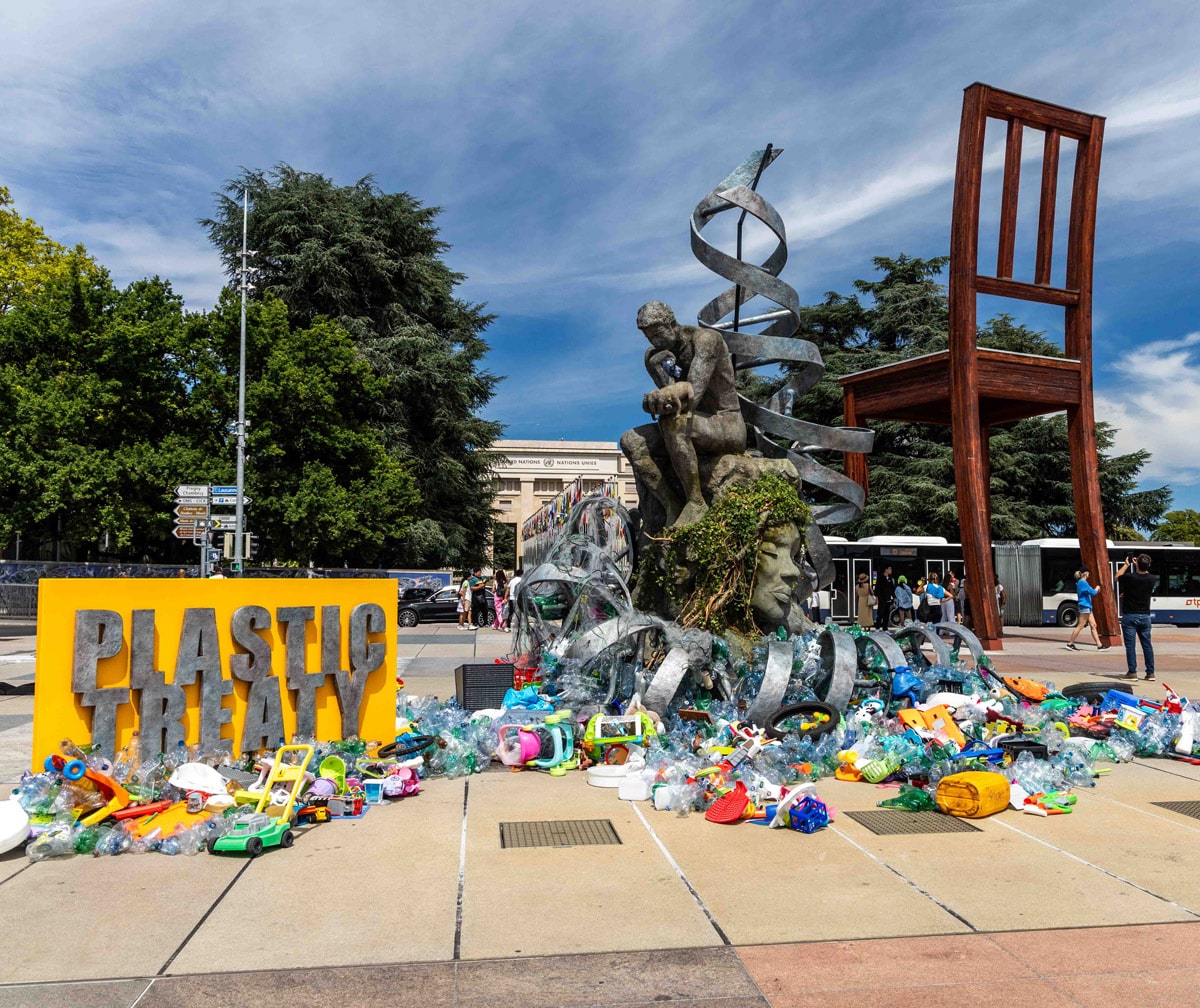
Artwork by Benjamin Von Wong
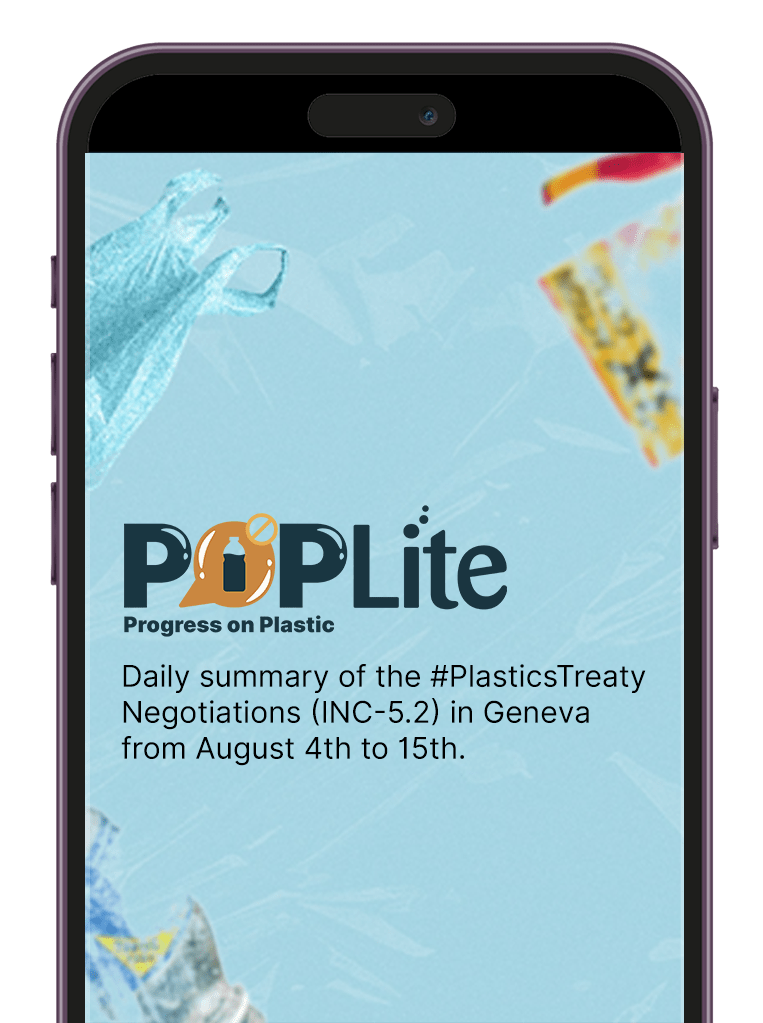
The latest negotiations concluded in Geneva in August of 2025. Coming up, countries will gather for the third part of the fifth round of negotiations to address some procedural matters including electing a new Chair for the negotiations.
The Global Plastics Treaty represents a unique and crucial opportunity for a worldwide coordinated initiative to effectively resolve the ongoing plastic pollution crisis at all stages of the life span of plastics. Nevertheless, there exists a risk of its potential dilution and corruption. We must unite together to advocate for an ambitious treaty, ensuring its effectiveness in mitigating the plastic pollution crisis.
As countries continue the negotiations, the pressure from civil society will be instrumental in ensuring that the treaty:
The Global Plastics Treaty is a once-in-a-lifetime opportunity to address plastic pollution comprehensively. But as countries finalize the terms of the treaty, it could be easily diluted and corrupted. Together, we need to push nations to pass an ambitious and effective treaty.
Global plastic production needs to be substantially reduced.
The treaty must promote reuse systems over false solutions.
Chemicals and polymers that are hazardous or of concern must be fully identified and eliminated.
We need a strong dedicated financial mechanism to facilitate the flow of financial resources from the developed to the developing world.
As we approach INC-5.2, settling for a mere waste management treaty to deliver an instrument by the end of 2025 is not an option. Negotiators must craft a treaty that upholds the UNEA 5/14 mandate by addressing the full lifecycle of plastics and one that is fit for purpose to end plastic pollution.
These are the ten priorities that BreakFreeFromPlastic (BFFP) and 3,584 member organizations consider indispensable for a successful treaty. It also reflects the demands of 3 million people who have petitioned for a strong ambitious treaty that will end plastic pollution. BFFP firmly believes that the inclusion of all these key elements, not just a few, is necessary to ensure that the future treaty can deliver meaningful impact to protect the environment, biodiversity, human health, and human rights.